Projects

SOH Fleet: optimizing the Lifespan of electric bus batteries

The energy transition in transportation networks is accelerating, and electric buses are becoming a cornerstone of sustainable mobility policies. But for a Public Transport Authority (PTA), this transition must remain compatible with a high level of service reliability and cost control. This is precisely the goal of SOH Fleet: a predictive maintenance solution that continuously monitors the health of electric bus batteries to anticipate breakdowns and extend their Lifespan.

Partners

Posted

JUN. 29, 2026

Share on

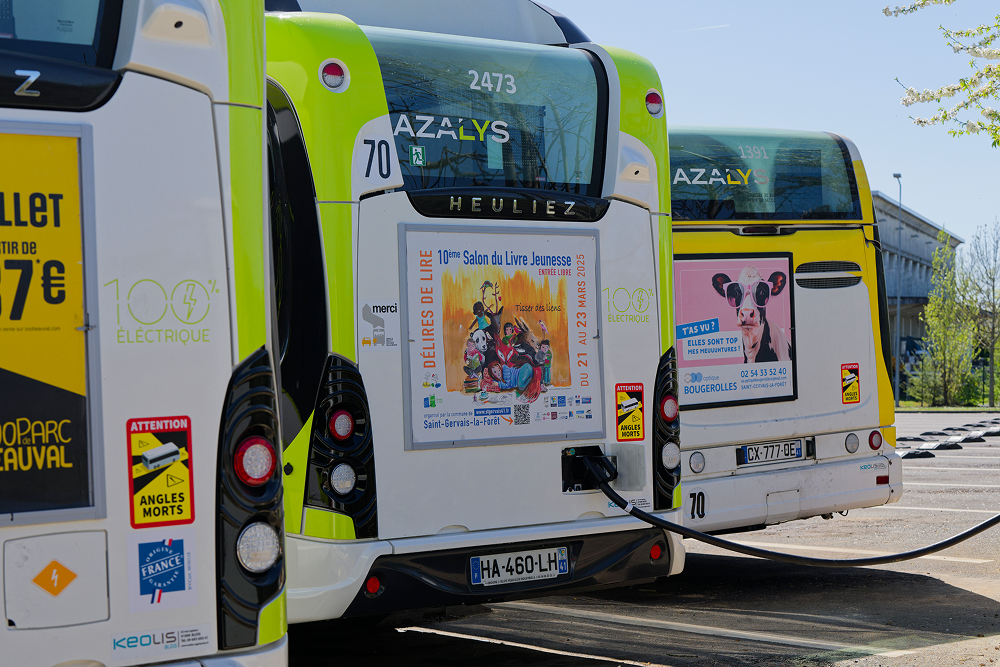
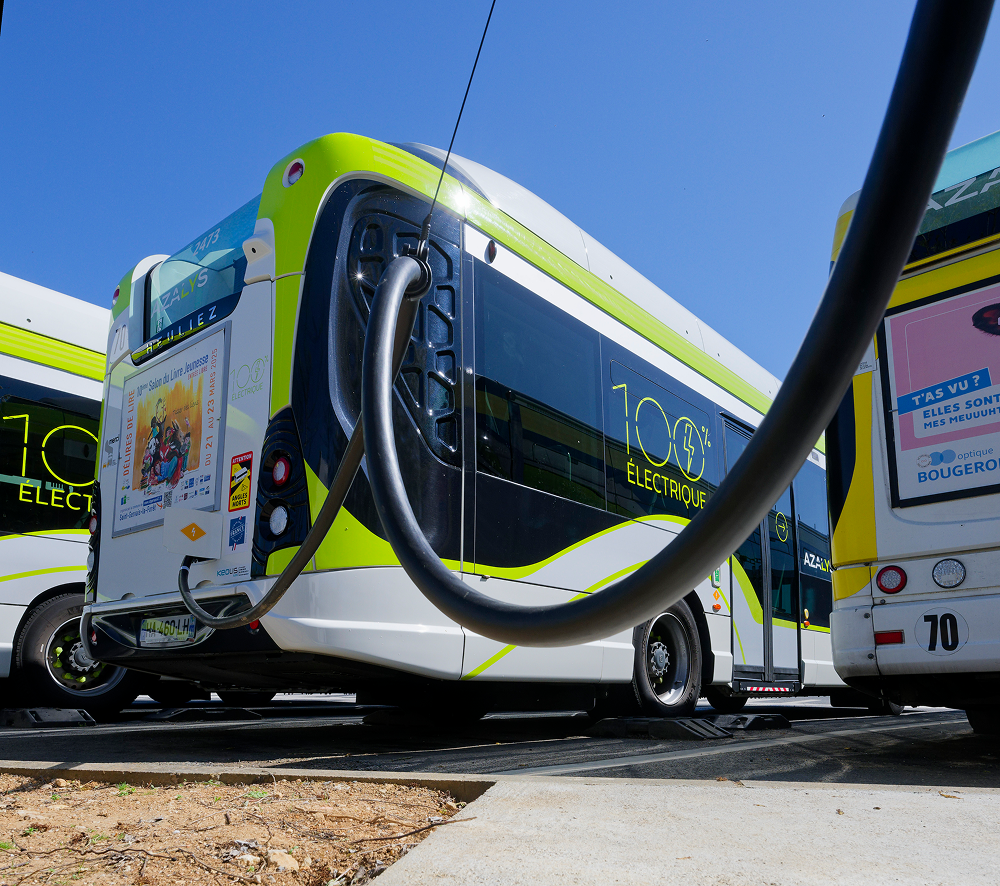
Deployed on Keolis Blois’ AZALYS network, SOH Fleet supports the region in electrifying its fleet while maintaining service reliability and passenger satisfaction.

Context: a demanding energy transition for electric bus batteries

For PTAs, bus electrification is a key lever for reducing CO₂ emissions and urban nuisances. But behind this ambition lies a very operational issue: the real performance of batteries over time. Initially, range is satisfactory; then, a battery may no longer be able to cover a full day of service, forcing the bus to return to the depot early or requiring a spare vehicle to be deployed.

Another challenge: the State of Health (SOH), a key indicator of a battery’s actual condition, is often hard to access or provided with insufficient transparency. Operators then have limited room to maneuver in managing their maintenance and investment strategies. This creates a double risk:

  • replacing a battery too late, at the risk of disrupting service,

  • replacing a battery too early, generating unnecessary financial and environmental costs.

decorative image
Keolis Blois is taking part in the launch of a European initiative aimed at improving electric bus batteries.

Solution: SOH Fleet, an intelligent sensor for predictive maintenance

SOH Fleet offers a concrete answer to these challenges by combining onboard sensors with artificial intelligence. The solution is based on an intelligent sensor installed on board the buses, which continuously measures the State of Health (SOH) of the batteries. The operational data collected are analyzed by an AI solution developed by ACTIA Automotive, which estimates battery health in real time and detects the first signs of performance degradation.

When certain thresholds are reached, alerts are sent to technical teams, who can implement targeted actions:

  • adapting charging cycles,

  • rotating vehicles,

  • targeted maintenance operations,

  • adjusting the transport plan.

The objective is clear: move from reactive maintenance to predictive maintenance, in the service of continuous public transport operations and better management of fleet decarbonization.

Keolis Blois at the forefront of the pilot

On the AZALYS network, Keolis Blois teams equipped 6 electric buses with onboard sensors and tested the solution in real operating conditions over several months. The data collected were shared and analyzed with project partners to accurately characterize battery behavior on a medium-sized urban network.

Together with the technical teams, Keolis Blois co-designed a predictive maintenance action plan to extend good battery performance and secure bus range throughout the operating day. For PTAs, the Blois network has thus become an operational demonstrator, showing how fine-grained battery health management can secure network electrification while ensuring regular service for passengers.

+20%

battery lifespan

-20 %

vehicle maintenance costs

16

electric buses equipped (10 in Barcelona, 6 in Blois)

2

pilot networks: Keolis Blois (AZALYS) and TMB Barcelona

A European project serving cities and operators

SOH Fleet is part of a European project supported by EIT Urban Mobility, an initiative of the European Institute of Innovation and Technology (EIT), a body of the European Union. This project brings together several key mobility and innovation stakeholders:

  • ACTIA Automotive, which is developing the AI system for accurate, real-time SOH estimation;

  • CARNET in Barcelona, which is leading the evaluation and optimization of the pilots;

  • Keolis Blois and Transports Metropolitans de Barcelona (TMB), which are testing the solution in different urban contexts.

In total, 16 electric buses are equipped: 6 in Blois and 10 in Barcelona. This diversity of contexts—major metropolis on one side, medium-sized city on the other—makes it possible to compare results and offer PTAs solutions tailored to a variety of local realities. The European dimension strengthens the robustness of the approach and facilitates the transfer of lessons learned to other networks.

Benefits: controlled costs, more sustainable fleets, secure operations

By closely monitoring the State of Health of batteries, SOH Fleet primarily aims to extend their battery life by 20% by adapting usage and maintenance to their actual condition. This optimization translates into cost reductions across the entire lifecycle. The solution aims in particular to:

  • reduce vehicle maintenance costs by 20%,

  • limit emergency replacements,

  • avoid premature replacements.

For PTAs and passengers alike, the main issue remains the reliability of the transport offer. Better-monitored batteries enable buses to complete the operating day without unexpected returns to the depot, helping maintain frequencies, connections, and service quality. Finally, by facilitating fleet electrification and reducing the footprint associated with battery manufacturing and recycling, SOH Fleet becomes a concrete lever for more sustainable urban mobility.

Next step: making predictive maintenance the standard for electric fleets

The initial results obtained in Blois and Barcelona pave the way for wider deployment of this type of solution, both on medium-sized networks and in large metropolitan areas.

For elected officials and technical teams, the challenge now is to integrate these indicators into fleet renewal strategies, operating contracts, and local climate–air–energy plans. Making SOH a standard management indicator for electric bus batteries means better cost control, more reliable operations, and stronger support for transport decarbonization. SOH Fleet thus illustrates how a data-driven approach can reconcile technological innovation, economic performance, and service quality for the benefit of passengers and territories.