Context: Rethinking long-term tram track maintenance
Maintaining tram infrastructure is a core responsibility for operators committed to delivering safe, reliable and sustainable urban mobility. As rails age, wear caused by wheel interaction, curvature forces and embedded track environments gradually reduces performance and safety margins. Traditional approaches often rely on full rail replacement once wear thresholds are reached, a solution that is effective but expensive and disruptive for both passengers and surrounding communities.
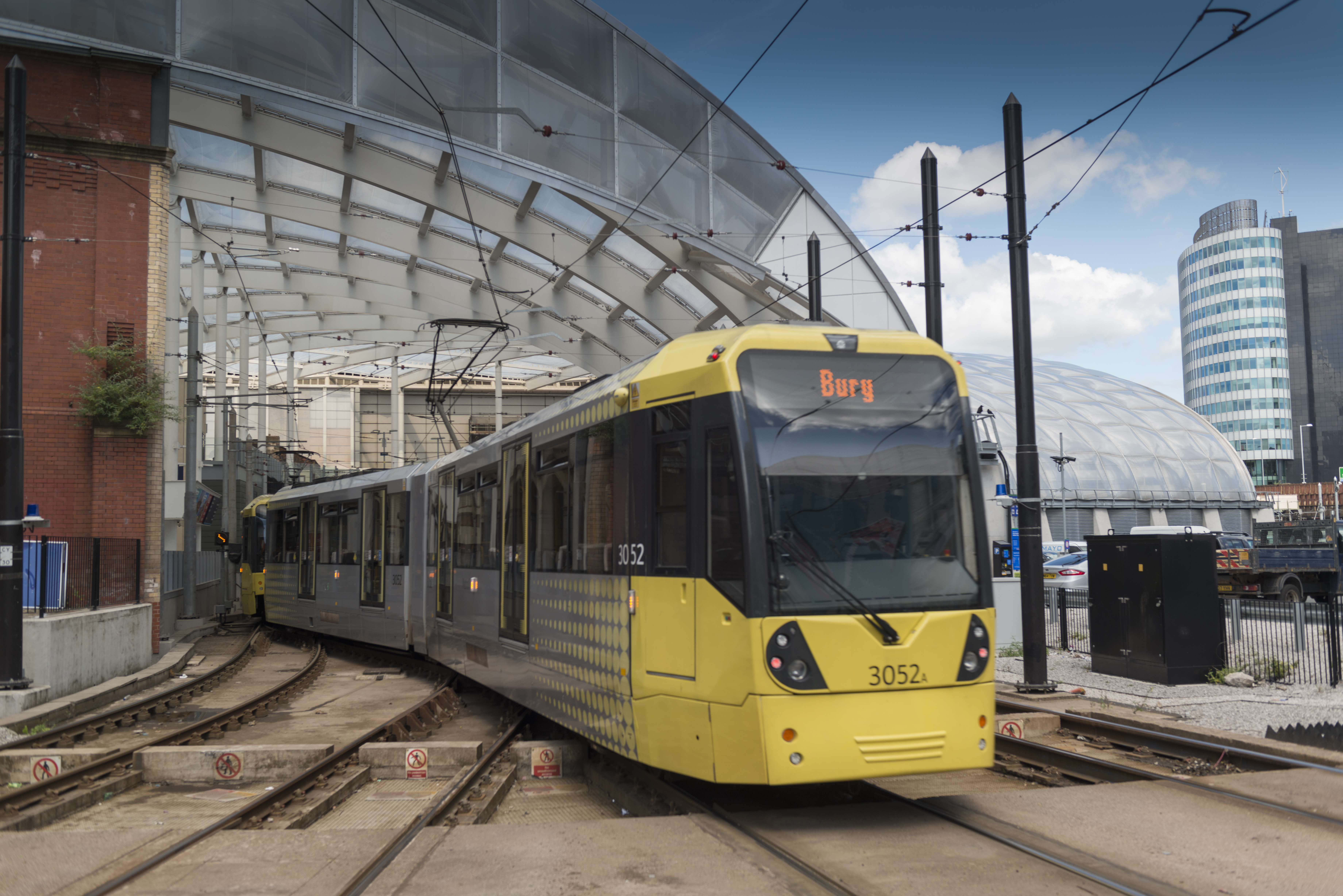
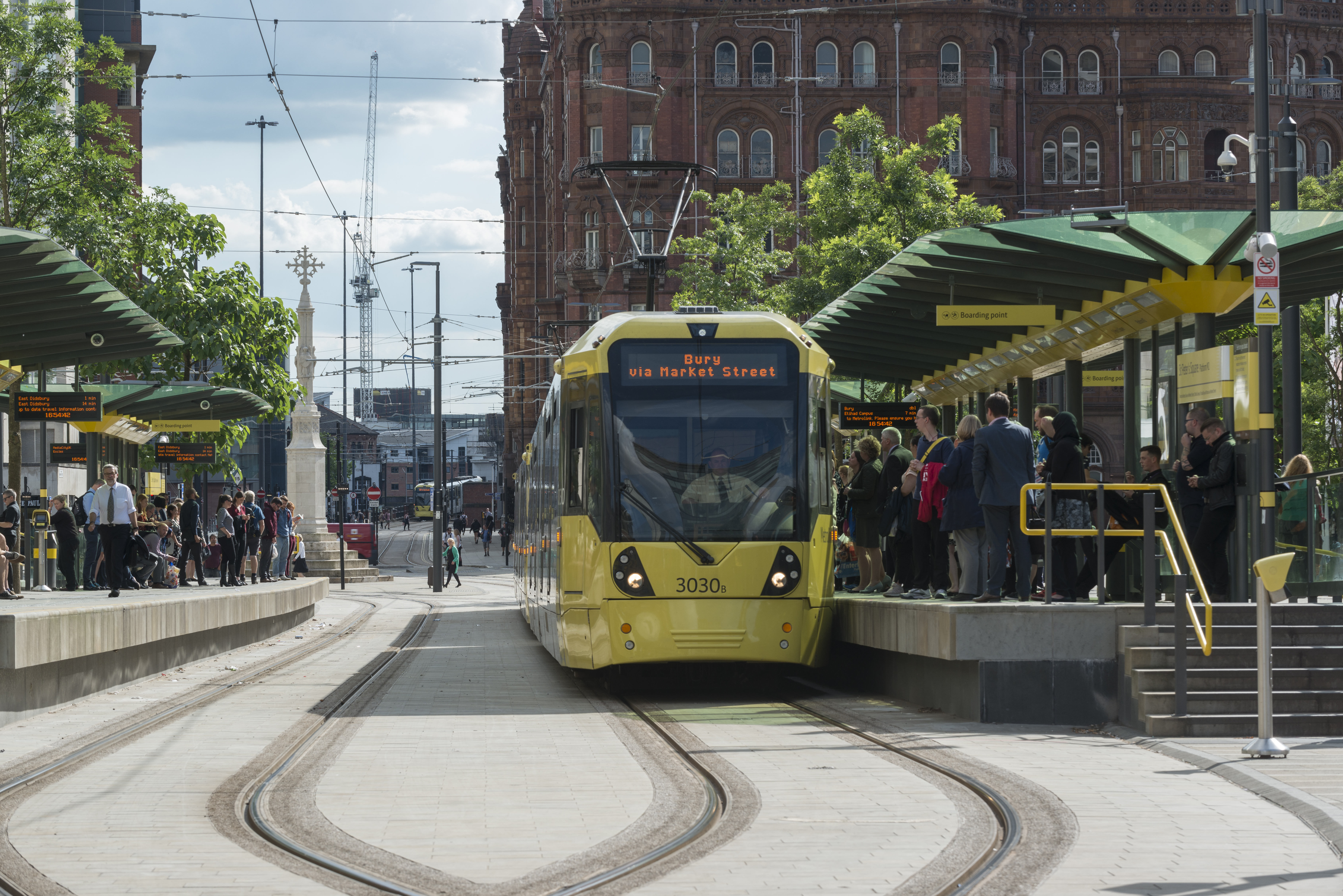
On the Manchester Metrolink network in the UK, routine inspections identified that approximately 8,000 metres of embedded tram track were projected to reach their safety limits by the middle of the decade. Under conventional maintenance planning, this would have required large-scale renewals within a short timeframe. The financial impact and operational complexity of such work raised concerns for the transport authority, particularly given the need to maintain service continuity across a busy light rail system.
Rather than accepting full replacement as the only option, KeolisAmey Metrolink explored whether track renewals could be approached differently. The objective was to extend the infrastructure life cycle while maintaining safety and performance. This shift in perspective created the foundation for a targeted intervention that would ultimately redefine how embedded rail assets could be managed more sustainably.